

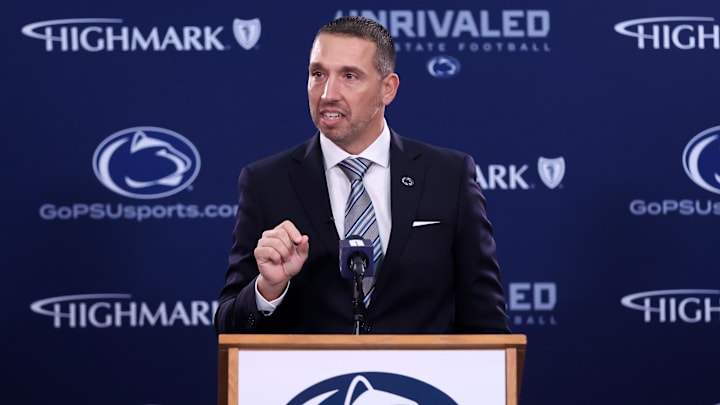
The arrival of new leadership often brings changes to a college football program. Early into his tenure at Penn State, head coach Matt Campbell already introduced new ideas aimed at reshaping the program’s culture.
Penn State football makes two position changes in favor of its defense
One of the most notable adjustments involves a renewed focus on accountability throughout the locker room, something veteran linebacker Tony Rojas believes the team needed.
Tony Rojas details Matt Campbell’s new accountability system
Campbell divided the roster into what he calls “accountability teams,” small groups of players who compete with each other in areas on and off the field. Those competitions include performance metrics such as workouts, practice habits, and even class attendance.
The weekly results come with consequences. The lowest-scoring team must report to the facility early to help clean the building. It's a small but meaningful way to reinforce responsibility among players.
“He just holds a lot of us accountable, especially leaders,” Rojas said. “And I think that's just one of the biggest things that we lacked a couple years is accountability.”
Matt Campbell has instituted new levels of accountability in the Penn State football locker room.
— Basic Blues Nation (@BasicBlues) February 26, 2026
Campbell has divided the roster into "accountability teams," which compete in areas on and off the field, including class attendance. The lowest-scoring team each week comes into… pic.twitter.com/D0UGfrONR4
For many players, the approach represents a fresh start after a disappointing 2025 season that left the program searching for renewed energy and direction.
While Virginia Tech head coach James Franklin emphasized discipline during his tenure, Campbell’s methods introduce a new structure that encourages players to hold one another responsible.
The “accountability team” concept creates a ripple effect inside the locker room. Since every player’s actions contribute to the group, teammates now have added incentive to stay focused in every aspect of the program.
If one player falls short, the entire group feels the consequences.
That dynamic forces players to pay closer attention not only to their own habits but also to the standards being upheld by the teammates around them.
In many ways, it’s a simple concept rooted in basic team-building principles, though military-like. However, it can have a powerful impact on a program trying to reset its identity.
Campbell previously used similar leadership and culture-building strategies during his successful tenure with Iowa State, where he built one of the most respected locker-room cultures in the country.
Now, he’s bringing those same philosophies to Happy Valley.
For Penn State players, like Rojas, the shift already made a positive impression. The system not only encourages discipline but also strengthens communication and accountability among teammates.
If the early returns are any indication, Campbell’s culture-driven approach could play a major role in shaping the next era of Penn State football.
For a program eager to bounce back from last season’s struggles, that renewed sense of accountability might be exactly what the Nittany Lions need.
 Add us as a preferred source on Google